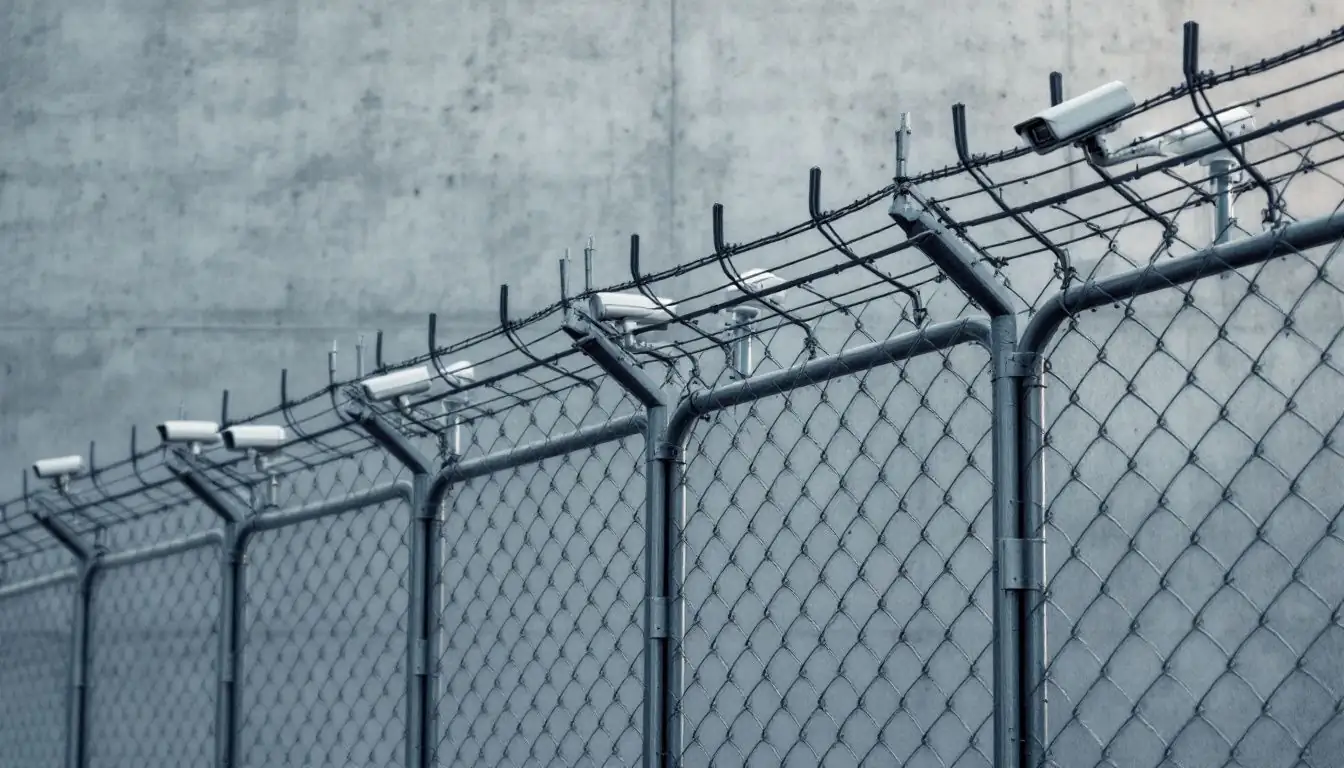
Chain Link Wind Screen - Houston, TX

Wind screen is the fast, flexible, cost-effective way to add wind reduction, shade, and visual screening to chain link fencing in Houston, TX. From tennis courts to construction sites to commercial perimeters — Griffin Fence has been installing it since 1979.

Since 1979 | 25K+ Customers | ★ 4.9 Rating | Free Estimates | 1-Yr Warranty
Quick Answer: Chain link wind screen is a woven HDPE or polypropylene fabric panel attached to the outside face of chain link fencing using grommets and ties. It reduces wind, blocks dust, and limits visibility through the fence in 30%, 50%, 70%, and 90% shade percentages. Griffin Fence installs wind screen across Houston for sports facilities, construction sites, and commercial perimeters. Free estimates, 1-year workmanship warranty.

What Is Chain Link Wind Screen?

Wind screen — also called shade screen or privacy screen — is a woven fabric panel made from HDPE or polypropylene. It attaches to the outside face of chain link fencing using grommets at regular intervals with zip ties or aluminum lacing wire. The fabric reduces airflow through the fence, provides varying degrees of shade, and limits visibility depending on the weave density.

47+ Years Experience
25K+ Customers Served
1-yr Workmanship Warranty

Unlike privacy slats, which are permanent, wind screen attaches and detaches quickly. For construction sites that need to relocate fence panels as the site grows, screen is a practical choice. For property owners who want to remove screen seasonally before major storms, the grommet system allows that in hours.

Houston's use cases are broad: tennis courts and pickleball courts where 50 to 70% screen reduces wind and glare, baseball and softball outfields that need privacy fence along property lines, construction site perimeters that need visual screening and dust reduction, and commercial properties where solid screening of mechanical areas or dumpster enclosures is needed without a full privacy fence build.
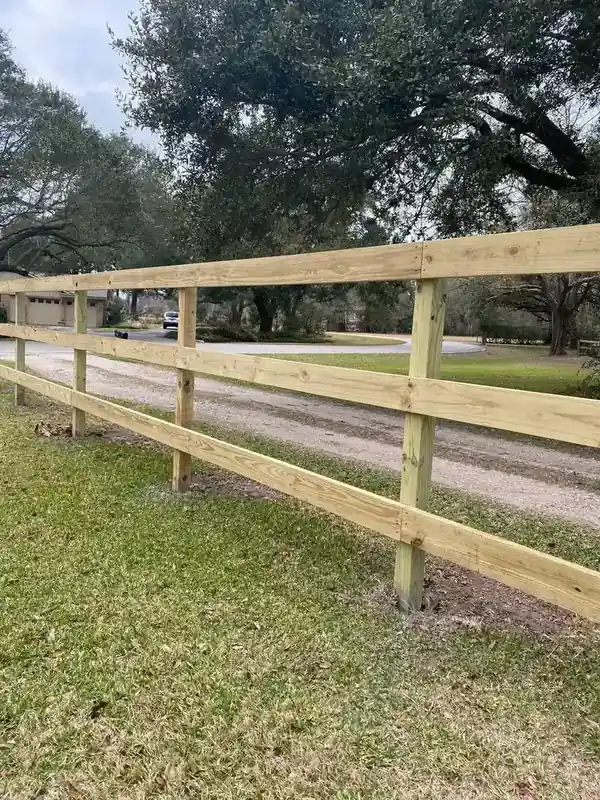
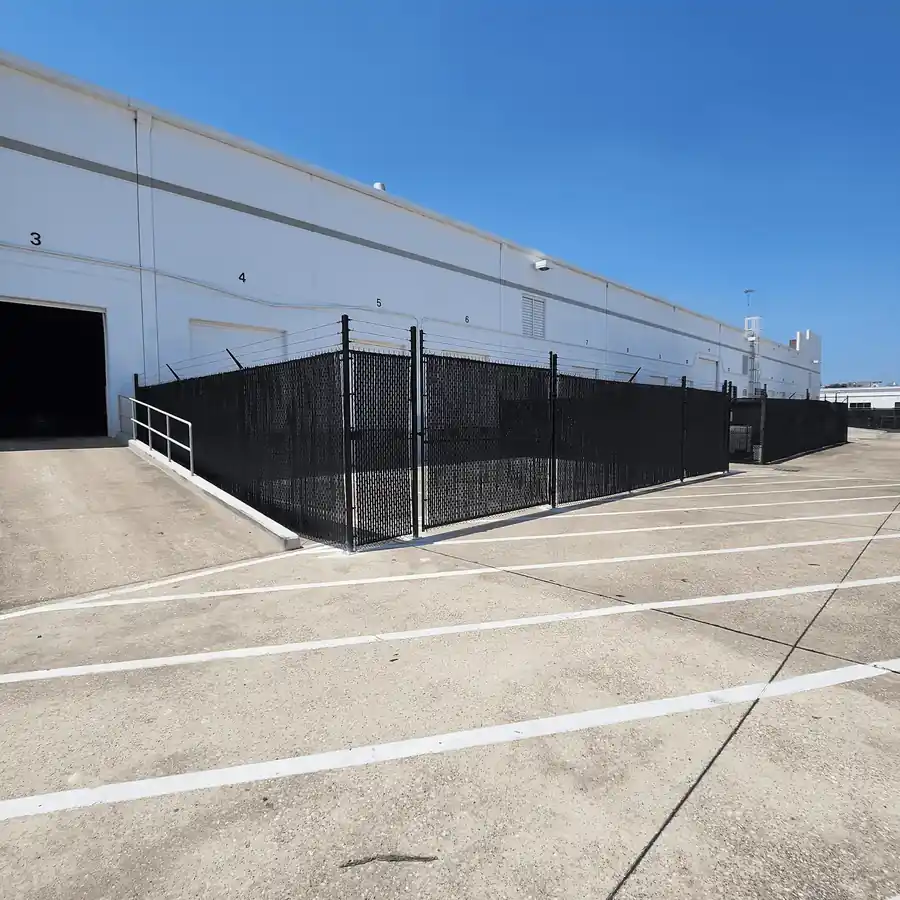
Chain link wind screen installation Houston TX by Griffin Fence
Shade percentage guide

Choosing the Right Wind Screen Density

Screen density — expressed as a shade percentage — determines how much wind, sun, and visibility it blocks. The right choice depends on your application.

30% Shade

Light wind reduction, minimal visual blocking, maximum airflow maintained. Suitable for perimeter applications where airflow matters more than privacy.

50–70% Shade

Standard for tennis courts and sports facilities in Houston, TX. Reduces wind interference during play, cuts sun glare, provides partial visual screening without creating excessive sail load.

90% Shade

Near-opaque visual screening. Used for construction site perimeters, commercial utility screening, and commercial perimeter applications where visibility blocking is the primary goal.

Custom Printed Screen

Full-color custom printing on 70-90% screen for construction site branding, sports facility signage, and commercial perimeter marketing. 2 to 3 week lead time for custom orders.

Construction Site Use

Wind screen on construction chain link handles visual screening, dust reduction, and branding in one step. Relocates with the fence panel as the site perimeter expands.

UV-Stabilized Materials

Houston's 200+ sunny days per year require UV-stabilized HDPE for any screen expected to last more than a few years. Low-grade polypropylene fails within 2 to 3 years under Houston sun.

Our process

How a Wind Screen Project Works

1

Site Measurement and Material Selection

We measure the fence run, discuss the shade percentage and application, confirm post condition for the expected wind load, and quote the right material.

2

Material Order

Standard screen ships quickly. Custom printed screen takes 2 to 3 weeks. We coordinate the schedule to fit your project timeline.

3

Installation

Screen attached to the fence face using aluminum lacing wire or heavy-duty zip ties at grommets. Top and bottom ropes or bungees can be added for high-wind areas.

4

Walk-Through and Warranty

Full perimeter review, edge and grommet check, and 1-year workmanship warranty on the installation.

Wind screen on chain link fence Houston sports facility

Wind Screen and Houston Hurricane Season

Houston's hurricane season runs June through November. One of the practical advantages of wind screen over privacy slats is the ability to remove it quickly before a major storm. A fence with 90% wind screen has roughly the same wind exposure as a solid wall — that load on posts and footings during a 100+ mph storm event can cause failures that a bare chain link fence would survive.

Griffin Fence installs grommet-and-lacing-wire systems that allow removal in a few hours if a major hurricane threatens. The screen folds and stores until after the storm, then reinstalls. This is a real operational advantage compared to privacy slats, which are not easily removed temporarily.

For permanent commercial installations where temporary removal is not practical, Griffin Fence can spec a slightly looser weave at a given shade percentage to allow more wind pass-through during extreme events. This is a design tradeoff worth discussing during the estimate conversation.

Since 1979, Griffin Fence has installed wind screen on tennis court facilities, baseball fields, commercial perimeters, and construction sites across the Houston metro. We know what holds in Houston weather and what does not. The estimate conversation covers all of it in detail.

Chain link wind screen installed Houston fence Wind screen on chain link Houston commercial fence
Common questions

Wind Screen FAQs

How is wind screen different from privacy slats?
Privacy slats are rigid plastic strips woven into the chain link mesh itself. Wind screen is a fabric panel attached to the outside face of the fence using grommets and ties. Slats are more permanent and more difficult to remove. Screen installs and removes quickly, comes in a wider range of transparency percentages, and can be custom printed. Slats hold up better long-term in terms of staying in place during wind; screen needs periodic re-tensioning.
Will wind screen survive Houston storms?
Quality UV-stabilized HDPE wind screen handles most normal Houston weather, including tropical storm conditions when properly attached. Before a major hurricane, temporarily removing the screen is recommended because 90% screen under 100+ mph winds places significant structural load on fence posts. Screen installs back in hours after the storm, making temporary removal practical for most applications.
Can wind screen be custom printed?
Yes. Custom full-color printed wind screen for construction site branding, sports facility identification, and commercial perimeter signage is available with a 2 to 3 week lead time. Griffin Fence coordinates printing with the fence or screen installation project timeline.
How long does wind screen last in Houston, TX?
UV-stabilized HDPE wind screen from quality manufacturers lasts 7 to 10 years in Houston's sun and UV exposure. Low-grade polypropylene screen fails within 2 to 3 years. Construction site temporary screen is a different spec and is designed for project duration, not long-term service life. For permanent installations, UV-stabilized HDPE is the correct material choice.
What shade percentage should I choose?
30% screen provides light wind reduction with minimal visual blocking. 50 to 70% is the Houston standard for tennis and pickleball courts — reducing wind interference and glare without creating excessive sail load on the fence. 90% approaches opacity for construction site screening and commercial perimeter privacy. Higher percentages add more wind load, which affects post sizing requirements.

Ready to Add Wind Screen to Your Fence?

Call 713-937-6611 or request a free estimate online. Griffin Fence has served Houston since 1979.

Additional Resources

Houston hurricane season wind data is published by the NWS Houston office. For commercial fence permit requirements, the Houston Permitting Center is the official source. Custom printed screen lead times vary by manufacturer; Griffin Fence coordinates with suppliers to fit your project schedule.